
Are you scrolling through TikTok and suddenly wondering, “Do I have ADHD?” You’re not alone—and that’s actually a wonderful thing. With the hashtag #ADHD generating billions of views, millions of people are discovering information about their mental health, often for the first time. These platforms have helped reduce stigma, create supportive communities, and bring much-needed awareness to ADHD symptoms.
If TikTok content has made you question whether you might have ADHD, that’s exactly what it’s supposed to do—spark awareness and self-reflection. However, while social media is an excellent starting point for understanding ADHD, it’s just that: a starting point. The next step in your journey should be a comprehensive professional evaluation that can give you the personalized, accurate answers you deserve.
The Impact of Social Media on ADHD Awareness
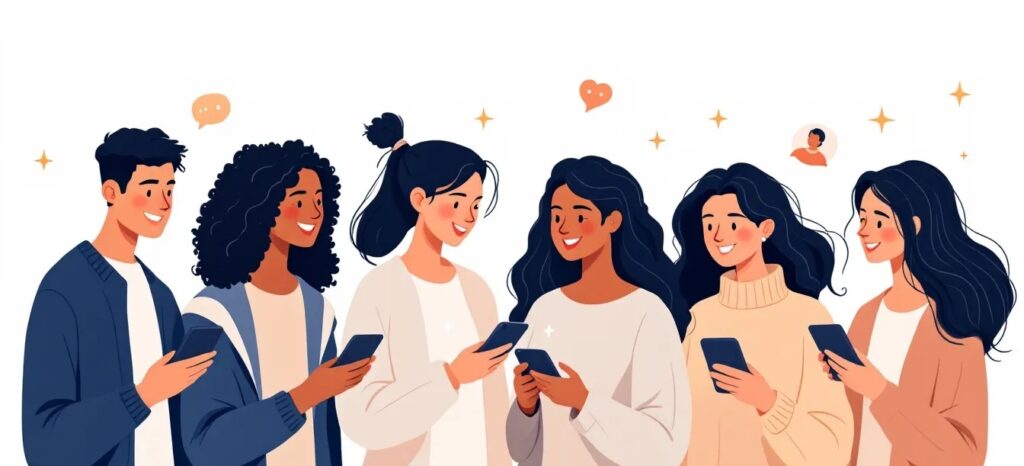
TikTok and other social media platforms have accomplished something remarkable: they’ve democratized mental health information and created spaces where people can share their experiences authentically. The surge in ADHD-related content has:
- Reduced stigma around ADHD and mental health in general
- Reached underdiagnosed populations, particularly women and adults who were overlooked by traditional healthcare systems
- Created supportive communities where people feel less alone in their struggles
- Sparked important conversations about neurodiversity and different ways of experiencing the world
- Encouraged people to seek help who might never have considered that they could have ADHD
This awareness revolution has genuinely helped thousands of people begin their journey toward understanding and support.
Why You Need More Than Social Media For Diagnosis

The personal experiences shared on TikTok are real, valid, and often deeply relatable. However, recent research helps us understand why these valuable personal stories need to be paired with professional evaluation to get the full picture.
What the Research Shows
A comprehensive study analyzed the top 100 most popular ADHD videos on TikTok and found that while these videos are connecting with millions of viewers, they often lack the nuance needed for accurate self-assessment:
- Personal experiences vary widely: What’s true for one person with ADHD may not apply to another, but this individual variation isn’t always explained
- Context matters: Many behaviors can have multiple explanations—ADHD, anxiety, sleep deprivation, life stress, or simply normal human variation
- Professional insight adds depth: 68.5% of content described common human experiences without the clinical context to help viewers understand when these might actually indicate ADHD
The issue isn’t that content creators are wrong about their own experiences—it’s that viewers need additional support to understand how these experiences might apply to their unique situation.
ADHD burnout often develops after long periods of masking symptoms, overcommitting, and pushing through mental fatigue.
Common Patterns of Overgeneralization
The research identified several problematic trends in ADHD TikTok content:
Pathologizing Normal Experiences: Videos often present everyday behaviors as ADHD symptoms. Examples include frequently bumping into furniture, listening to the same songs repeatedly, or having a sweet tooth—behaviors that millions of people without ADHD also experience.
Lack of Individual Variation: Content creators often share personal experiences without recognizing that ADHD affects each person uniquely. What’s true for one person with ADHD may not apply to another.
Commercial Motivation: Approximately half of the creators used their videos to sell products or services, including fidget spinners, workbooks, or “ADHD coaching,” despite not being licensed mental health professionals.
Oversimplified Explanations: Many videos blur the lines between ADHD and symptoms that may actually indicate anxiety, depression, trauma, or other conditions—or may simply be part of normal human variation.
Why Young Adults Are Particularly Vulnerable
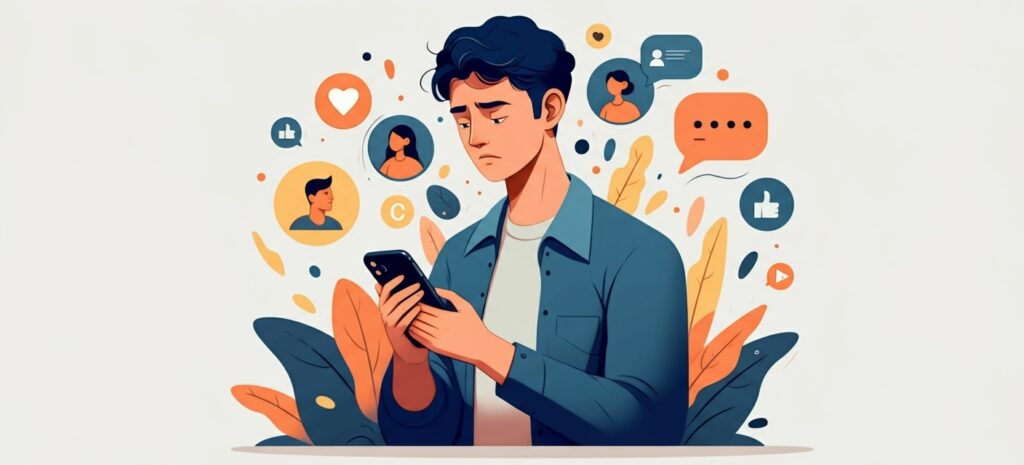
Research shows that young adults rate inaccurate ADHD videos significantly higher than mental health professionals do. When clinical psychologists rated the most misleading videos at 1.1 out of 5, young adults rated the same content at 2.3—more than double the professional rating.
This disparity highlights a critical problem: misinformation may be slipping through unnoticed by the very population most likely to consume and act on this content. The study also found that students who viewed more ADHD content were more likely to overestimate both the prevalence and severity of ADHD in the general population.
The Demographics at Risk
More than half of TikTok’s 136 million users are under age 30, with 63% of all U.S. teens using the app. Sixteen percent report using it “constantly.” This demographic is particularly susceptible to health misinformation because they:
- May lack the experience to evaluate medical information critically
- Are more likely to trust peer-generated content over traditional medical sources
- Face barriers to accessing professional mental health services
The Dangers of Social Media Self-Diagnosis
While self-awareness about mental health symptoms can be positive, self-diagnosis based on social media content poses several significant risks:
Misdiagnosis and Inappropriate Treatment
When individuals self-diagnose ADHD based on misleading information, they may:
- Pursue unnecessary treatment, including stimulant medications that carry risks for misuse
- Delay proper diagnosis and treatment of their actual condition
- Experience worsening symptoms if the underlying cause isn’t ADHD
Overlooking Other Conditions
ADHD symptoms overlap significantly with many other conditions, including:
- Anxiety disorders
- Depression
- Trauma-related disorders
- Sleep disorders
- Thyroid conditions
- Learning disabilities
Professional evaluation is essential to differentiate between these conditions and identify any co-occurring disorders.
Stigma and Misconceptions
Misinformation can perpetuate harmful stereotypes about ADHD and contribute to the misconception that it’s overdiagnosed or not a “real” condition. This can make it harder for people who genuinely have ADHD to receive understanding and appropriate support.
What Professional ADHD Testing Actually Involves
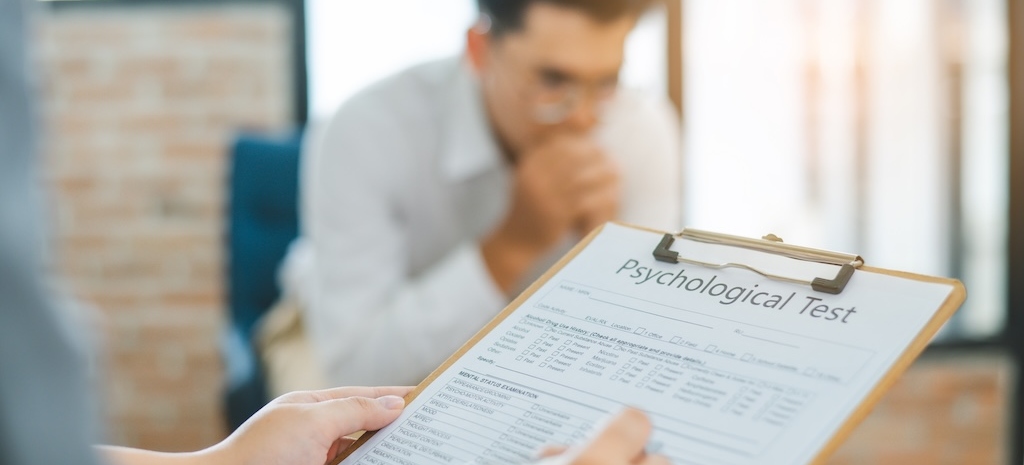
Understanding the complexity of professional ADHD evaluation highlights why social media content cannot replace a comprehensive assessment. A professional ADHD diagnosis involves multiple components that cannot be replicated through short videos:
Comprehensive Clinical Interview
A thorough evaluation includes detailed interviews about:
- Current symptoms and their impact on daily functioning
- Medical and psychiatric history
- Family history of ADHD or related conditions
- Developmental milestones and childhood behavior
- Academic, occupational, and relationship functioning
Multi-Source Information Gathering
Professional diagnosis requires input from multiple sources:
- Standardized rating scales completed by the patient
- Collateral information from family members, partners, or close friends
- School records or teacher reports (for children and adolescents)
- Work performance evaluations (for adults)
Psychological Testing
At KMN Psych, our comprehensive evaluation includes specialized neuropsychological testing using evidence-based tools:
- Wechsler Adult Intelligence Scale (WAIS IV) for cognitive assessment
- Behavior Rating Inventory of Executive Function (BRIEF) for real-world executive function evaluation
- Continuous performance tests for attention and focus measurement
- Working memory and processing speed assessments
Rule-Out of Other Conditions
Professional evaluation systematically examines other potential causes of symptoms:
- Medical conditions (thyroid disorders, sleep apnea, etc.)
- Other psychiatric conditions (anxiety, depression, trauma)
- Substance use disorders
- Learning disabilities
- Autism spectrum disorders
Detailed Reporting and Treatment Planning
Following comprehensive evaluation, patients receive:
- An 15-20 page detailed report explaining findings and recommendations
- Clear diagnosis based on DSM-5-TR criteria
- Individualized treatment recommendations
- Referrals to appropriate specialists when needed
- Follow-up consultation options with Dr. Doshay to discuss results
Social Media Is Creating Awareness (And That’s Exactly the Point)
It’s important to acknowledge that social media has fundamentally changed ADHD awareness in positive ways. TikTok and similar platforms have:
- Helped people recognize potential symptoms they might otherwise dismiss or normalize
- Reduced shame around ADHD experiences and mental health struggles
- Created communities where people feel understood and less alone
- Highlighted the experiences of underdiagnosed groups, particularly women and adults
- Encouraged people to seek help who might never have considered professional evaluation
The fact that more people are arriving at clinicians’ offices with awareness of ADHD symptoms isn’t a problem—it’s exactly what good mental health awareness should accomplish. Social media is successfully doing its job of getting people to think about their experiences and seek answers.
How to Build on Your Social Media Insights
If social media content has made you question whether you might have ADHD, congratulations—you’re doing exactly what you should be doing! Here’s how to take that valuable self-awareness to the next level:
Celebrate Your Awareness
Recognizing that you might relate to ADHD experiences is an important first step. Many people go decades without this awareness, so you’re already ahead of the game.
Use Social Media Wisely
Continue engaging with ADHD content, but look for creators who:
- Acknowledge that experiences vary between individuals
- Encourage professional evaluation rather than self-diagnosis
- Share resources from reputable mental health organizations
- Have professional credentials or clearly state when they’re sharing personal experience rather than medical advice
Take the Next Step
The insights you’ve gained from social media are valuable, but they’re just the beginning. Professional evaluation can help you:
- Understand your unique pattern of symptoms and strengths
- Rule out other conditions that might explain your experiences
- Access appropriate treatment and support
- Get personalized strategies that work for your specific situation
When to Seek Professional ADHD Testing
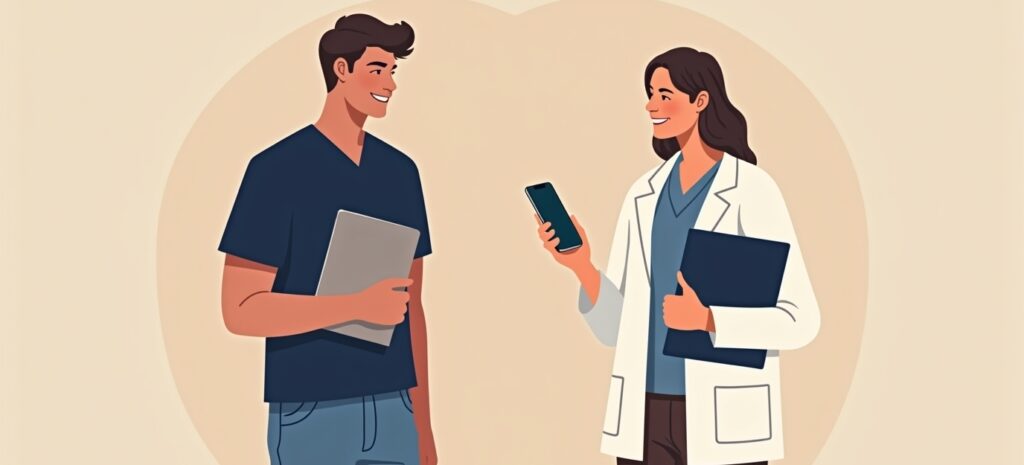
Consider professional testing if you’re experiencing:
- Persistent attention difficulties that interfere with work, school, or relationships
- Chronic problems with time management and organization
- Impulsivity that affects decision-making and relationships
- Hyperactivity or restlessness that feels uncontrollable
- Long-standing patterns of these symptoms date back to childhood
Professional evaluation is especially important if these symptoms are causing significant distress or impairment in your daily life.
The Importance of Accurate ADHD Diagnosis
Proper ADHD diagnosis is crucial for several reasons:
Access to Effective Treatment
Accurate diagnosis opens doors to evidence-based treatments, including:
- FDA-approved medications when appropriate
- Behavioral therapy and coaching
- Educational accommodations
- Workplace support and accommodations
Understanding Your Unique Profile
Professional evaluation reveals your specific pattern of strengths and challenges, enabling:
- Targeted intervention strategies
- Personalized coping mechanisms
- Better self-understanding and self-advocacy
Preventing Complications
Untreated ADHD can lead to:
- Academic and career underachievement
- Relationship difficulties
- Increased risk of accidents and injuries
- Higher rates of anxiety and depression
- Substance abuse risks
Taking the Next Step
If TikTok or other social media content has sparked questions about ADHD in your life or your child’s life, that’s wonderful! The next step in your journey is to take that valuable self-awareness to a professional who can provide the comprehensive evaluation you deserve.
At KMN Psych, we celebrate the awareness that social media has created, and we understand that many of our patients first learned about ADHD through platforms like TikTok. Our San Diego-based team provides the thorough, personalized evaluation that builds on your social media insights to give you accurate answers and actionable next steps.
Ready to take your TikTok insights to the next level with a professional evaluation? Contact KMN Psych today to schedule your comprehensive ADHD assessment. We accept most PPO insurance plans and will help verify your coverage during our screening process.
Call us at (858) 224-2906 or request an appointment online. Your social media awareness was the first step—professional testing is how you get the complete picture and personalized support you deserve.
References
- Yeung, A., et al. (2022). TikTok and attention-deficit/hyperactivity disorder: A cross-sectional study of social media content quality. Canadian Journal of Psychiatry, PMC9659797. https://pmc.ncbi.nlm.nih.gov/articles/PMC9659797/
- Karasavva, V., et al. (2025). A double-edged hashtag: Evaluation of #ADHD-related TikTok content and its associations with perceptions of ADHD. PLOS ONE. https://journals.plos.org/plosone/article?id=10.1371/journal.pone.0319335
- Centers for Disease Control and Prevention. (2024). Diagnosing ADHD. https://www.cdc.gov/adhd/diagnosis/index.html